I didn't start looking into solar panels because I had some grand vision for sustainable living. I started because my electricity bill last quarter was painful to open. I rent a flat in London, I work from home three days a week, and I've watched my energy costs climb for four years. Every time I think we've hit the ceiling, something happens on the other side of the world and the price cap adjusts upward again.
You don't need to follow geopolitics closely to feel it. Every time tensions escalate along a pipeline or a shipping lane, the ripple arrives in British households within weeks. The standing charge, the bit you pay before you've boiled a kettle, has nearly doubled since 2021. The unit rate ticks higher. The price cap simply recalibrates to absorb whatever the new normal turns out to be.
The part that frustrated me
The UK imports roughly half its gas, and that gas sets the marginal price of electricity. When conflict disrupts supply, whether in the Middle East, Eastern Europe, or along LNG trade routes, every household absorbs the cost. The 2022 crisis was a stress test. It showed how thin the buffer is between global instability and what I pay to keep my lights on in south London.
The government response has been financial. Price caps, warm home discounts, support schemes. All necessary, but none reduce the underlying dependency. I'm renting. I can't insulate walls or install a heat pump in a flat I don't own. Most serious energy solutions assume you're a homeowner with capital to spend.
Then I found plug-in solar
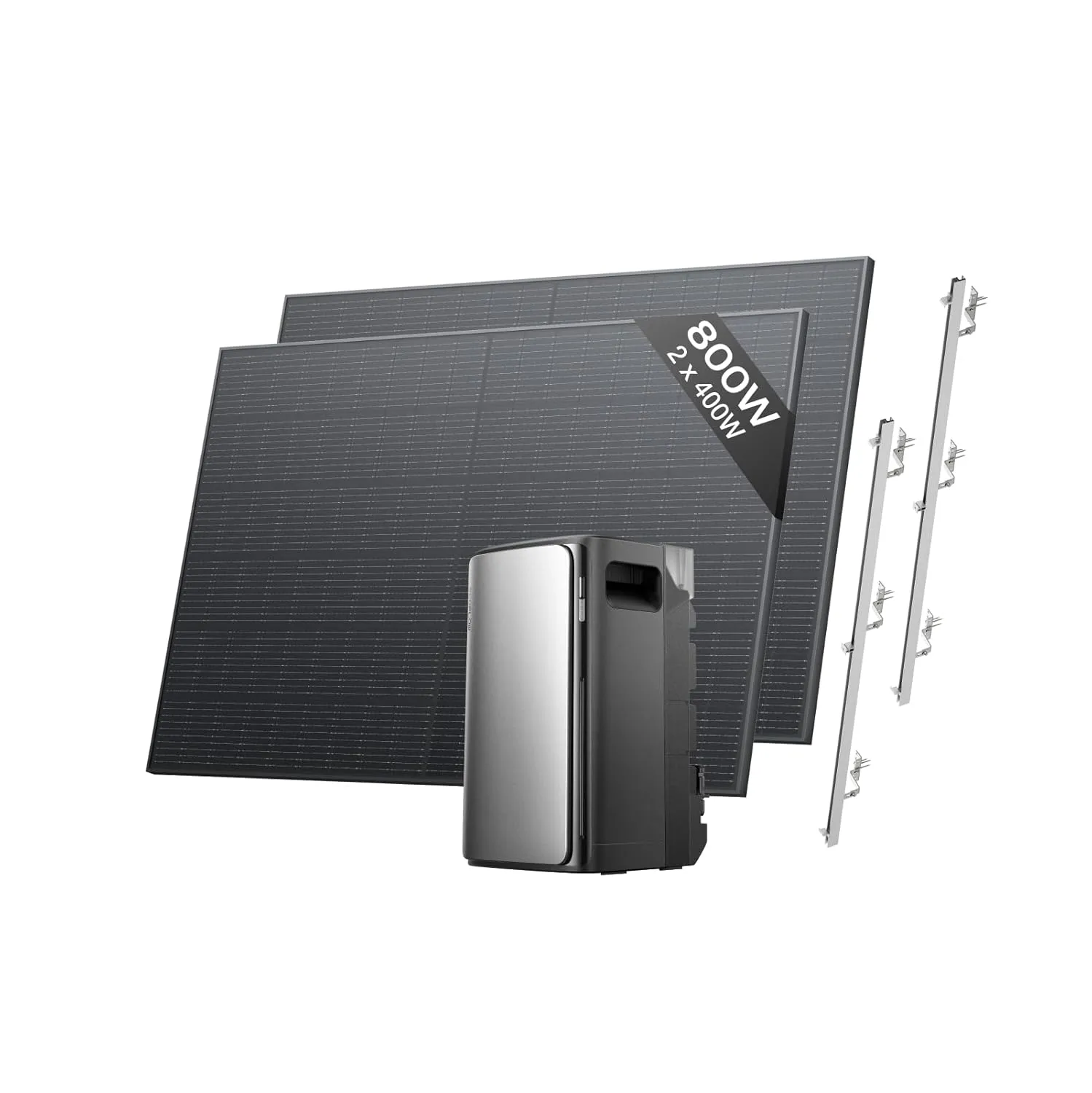
A friend in Berlin mentioned she'd been running a balcony kit for two years. Two panels, a small converter box, a cable that plugs into a normal socket. No electrician, no building work. I assumed we couldn't do the same here, and for a long time I was right.
We can now. Plug-in solar became legal in the UK on 27 August 2026, when SI 2026 No. 848 came into force. It amends the Plugs and Sockets Regulations 1994 and the ESQCR 2002, and it works with the DESNZ Interim Product Specification v2.0, published 16 July 2026, which sets the cap at 800 VA and 3.5 A with one device per household. Ofgem approved the matching G98 change on 11 August 2026. If a kit shows Compliant on the ENA G98 Type Test Register, you plug it into an ordinary 13A socket and self-notify to your network operator afterwards. No electrician, no hardwiring, no certificate. An electrician and a hardwired connection are only needed for a kit that is not on the register. As I write, one hundred and nine kits from twenty-four manufacturers are listed, 20 are actually on sale, and the cheapest is £336.
The bit that sealed it for me was the Renters' Rights Act 2025. It protects portable installations that do not alter the fabric of the property, and a kit that plugs into an existing socket is about as portable as it gets. With written landlord consent, the panels clamp to my balcony railing, the plug goes in the socket, and when I move I unplug it and take it with me.
The numbers that convinced me
In London, an 800W south-facing system generates roughly 750 to 850 kWh per year. That is not the same as the money saved, because a lot of it arrives at midday when nobody is home, and the surplus goes to the grid for nothing. Our national model for a south-facing 800W kit puts the realistic saving at £124 a year, at the Ofgem cap of 26.11p per kWh, rising to 26.32p on 1 October 2026. My bill runs about £1,400 a year. A £336 kit saving £124 a year pays for itself in about three and a half years. After that it is free electricity for twenty years or more, immune to gas prices, pipeline politics, or the next price cap.
I ran the numbers on our savings calculator. The estimates use satellite irradiance data, not optimistic guesses, and you can now enter your UK postcode for a location-aware figure based on your actual coordinates. Add a small battery for the evening and the savings climb further.
The logical step
I'm not pretending solar panels on my London balcony solve the energy crisis. But they take a slice of my consumption off a market I can't control. Every kilowatt hour I generate is one that can't be repriced by a conflict I had no part in. That standing charge still stings. But the unit rate on my own sunshine is zero, forever.
For under £450, that feels less like a purchase and more like a small act of independence. As a London renter watching the news cycle and the energy bill rise in lockstep, waiting for things to get cheaper feels like the less rational option. The balcony is right there. The sun does show up. And since 27 August 2026, the law says I'm allowed to use both.
The kits are on sale now, so there is nothing left to wait for. Check the model against the register before you buy, because a brand being listed does not mean every model that brand sells is listed. If you're in the same boat, have a look.
Ready to get started with plug-in solar
Listed kits are on sale now from £336. Get your free buyer's checklist and personalised recommendations.
No spam. Quick checklist and recommendations. Unsubscribe any time.